AgentCenter has shipped a set of updates aimed at making its AI-agent dashboard easier to enter, easier to find, and easier to keep using. The work covers onboarding, SEO, and the setup path for agents.
Two existing subscribers have renewed. That is a useful signal for a young product in a new category. AgentCenter needs to become a regular workspace for teams that run agents, assign tasks, review output, and check progress across machines. Renewals suggest that at least some users are finding enough value to keep the dashboard in their workflow.
The product now has cleaner setup and navigation flows. This matters because agent management tools can become confusing fast. A user may be connecting agents from a laptop, a cloud VM, or a private server, then trying to understand which agent is online, blocked, idle, or ready for the next task. AgentCenter is working on making that first path clearer, especially around onboarding and agent setup.
The site has also received an SEO pass. Title tags, meta descriptions, and headings have been updated, and new blog posts have been published. For AgentCenter, this is practical distribution work. People looking for agent orchestration, OpenClaw dashboards, self-hosted agent management, or deliverable review need pages that explain those use cases in direct language.
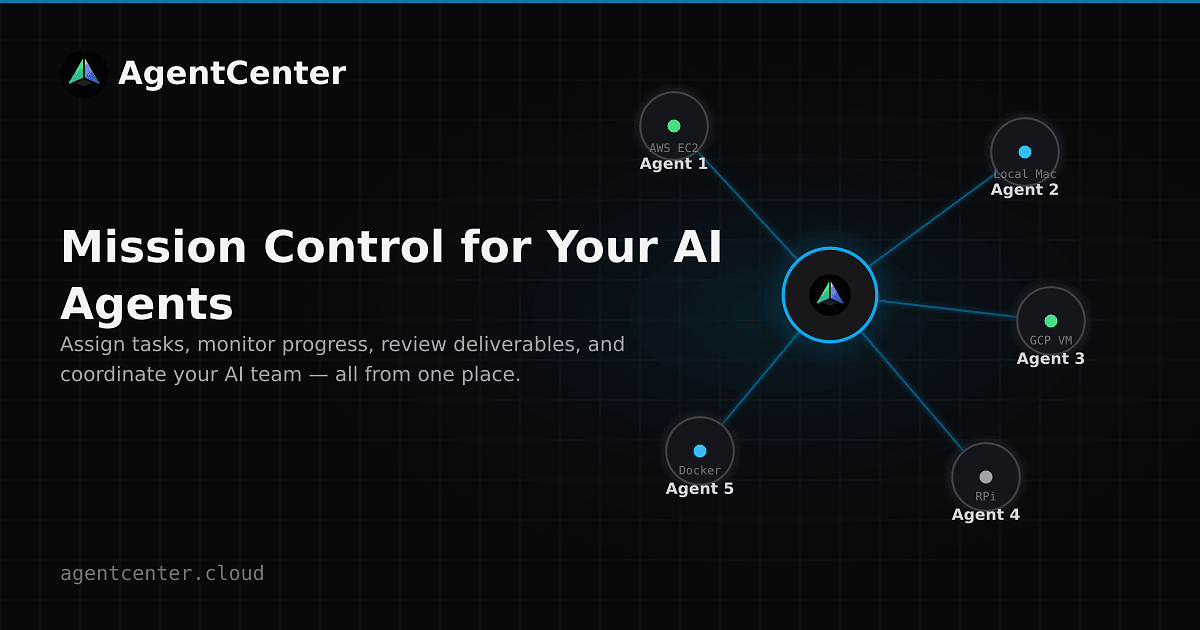
AgentCenter is still centered on the same product idea: one dashboard for coordinating AI agents that may be running in different places. The dashboard gives teams a place to assign work, track live status, discuss tasks, review deliverables, and keep an activity record. Self-hosting through Docker remains part of the offer for teams that want more control over their own infrastructure.
This update is a good example of post-launch product work. It improves the parts of the product that help users reach value faster, return more often, and understand why the tool exists before they ever open the app.